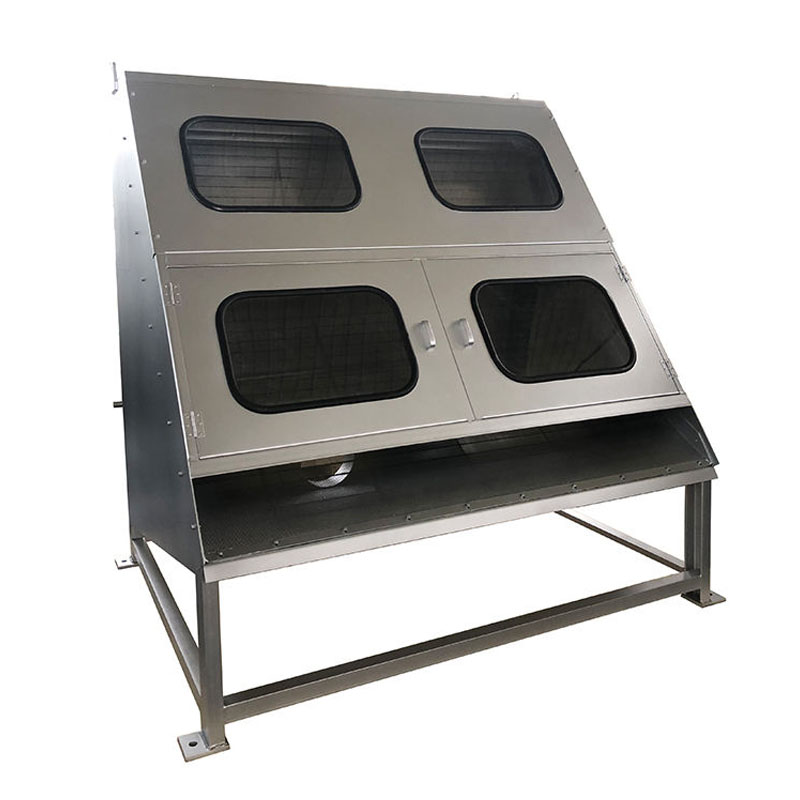
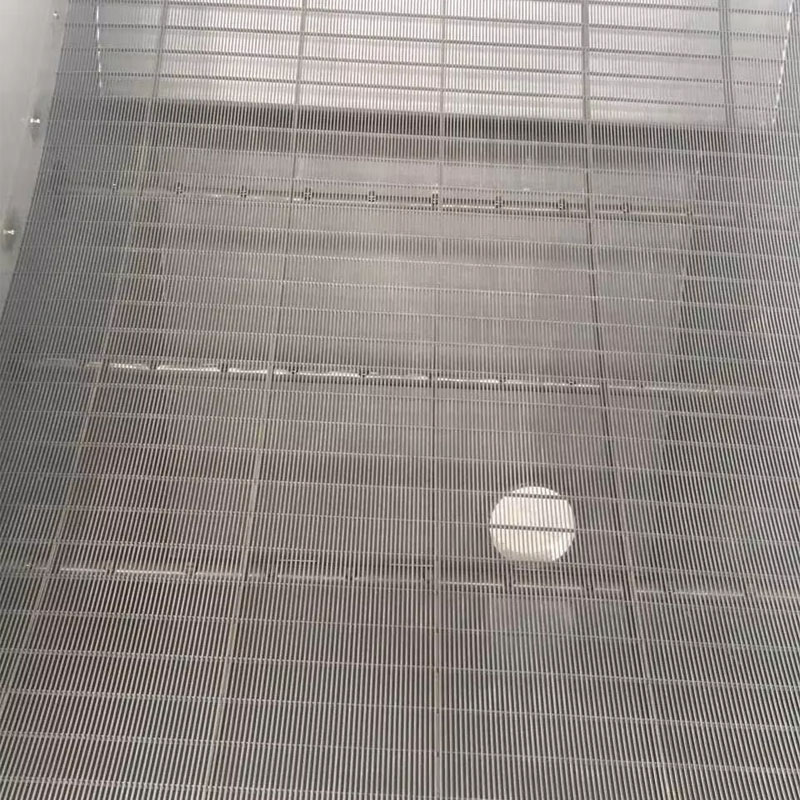
The sieve bend screen filter is a high efficiency non-powered solid liquid separation device used in wastewater treatment and industrial processes. It removes suspended solids, floating matter, and sediment through a curved wedge wire screen surface. With no moving parts, low energy consumption, and strong anti-clogging performance, the static screen filter is widely used for wastewater pretreatment and resource recovery in various industries.
The sieve bend screen filter is a gravity-driven solid liquid separation equipment designed for industrial wastewater and municipal pretreatment systems. It operates without power, using the natural flow of wastewater to pass through a curved stainless steel wedge wire screen.
Wastewater is evenly distributed over the inclined screen surface via an overflow weir. Suspended solids are intercepted on the screen while filtered water passes through the gaps. Solid materials are gradually pushed downward and discharged at the bottom.
Due to its simple structure and high reliability, the static screen filter is widely used for solid-liquid separation, sludge pretreatment, and valuable material recovery in industrial production.
Working principle
The static screen filter works based on gravity flow and physical separation. Wastewater is introduced onto a curved wedge wire screen surface through an overflow distribution system.
As wastewater flows downward:
Liquid passes through narrow screen gaps
Suspended solids are intercepted on the surface
Solid particles gradually slide down due to gravity
Collected solids are discharged at the bottom outlet
Filtered water is collected separately for further treatment
This process ensures efficient solid-liquid separation without energy consumption or mechanical movement.
Product Parameter Table
0.5mm Grid Gap Capacity
10 m³/h
1mm Grid Gap Capacity
20 m³/h
1.5mm Grid Gap Capacity
30 m³/h
2mm Grid Gap Capacity
40 m³/h
2.5mm Grid Gap Capacity
50 m³/h
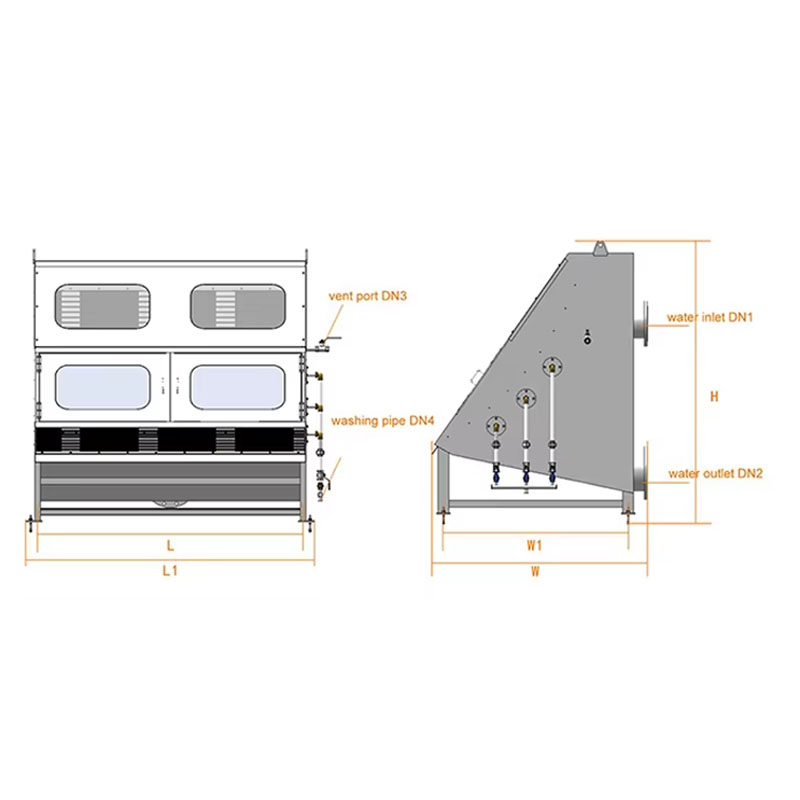
Dimension L (mm)
1200
Dimension L1 (mm)
1250
Dimension W (mm)
1590
Dimension W1 (mm)
1360
Dimension H (mm)
1925
DN1 (mm)
150
DN2 (mm)
200
DN3 (mm)
32
DN4 (mm)
25
Main Features
No power consumption due to gravity-driven operation
Simple structure with no moving mechanical parts
High hydraulic efficiency with wedge wire curved screen

 Heavy-Duty Cutting Tool Holder for CNC Milling High Clamping
2 × $98.00
Heavy-Duty Cutting Tool Holder for CNC Milling High Clamping
2 × $98.00 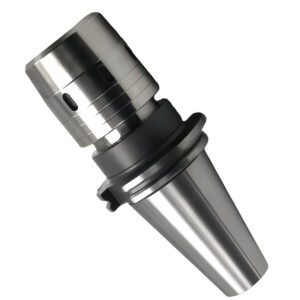 Heavy-Duty Cutting Tool Holder for CNC Milling High Clamping
 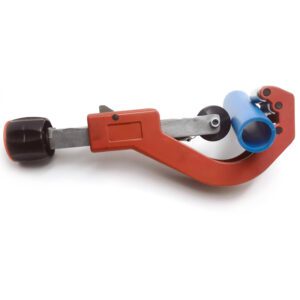 110mm PVC Cutting Tool for 4-Inch Pipe Quick Manual Operation
 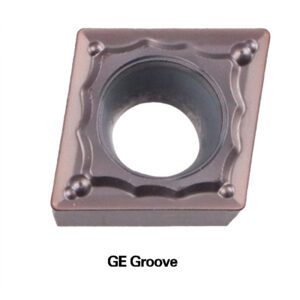 CNC blade diamond CCMT09T304 lathe stainless steel inner hole knife grain boring alloy blade
 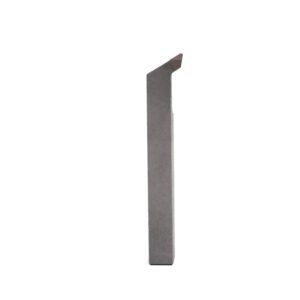 CNC Lathe Cutting Tool for Turning Operations High Stability
 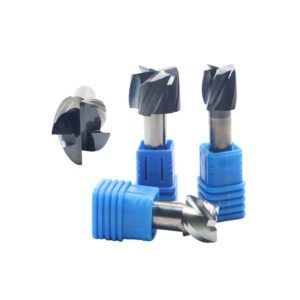 10x75mm 4-Flute Cutting Tool for CNC Milling High Rigidity
  2T/H Beer Pasteurizer Ultra-High Temperature Instant Sterilization System
  2T/H Milk Pasteurization Plant UHT Yogurt Production Line with Cryogenic Bath Pasteurizer
 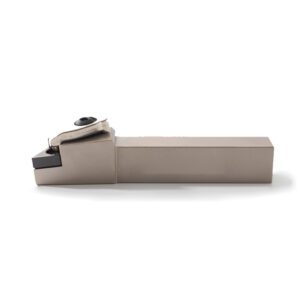 D-Type Carbide Cutting Tool for Aluminum Turning Mirror Finish
 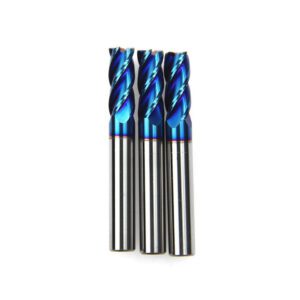 Nano-Coated Cutting Tool for CNC Metal Milling Heat Resistant