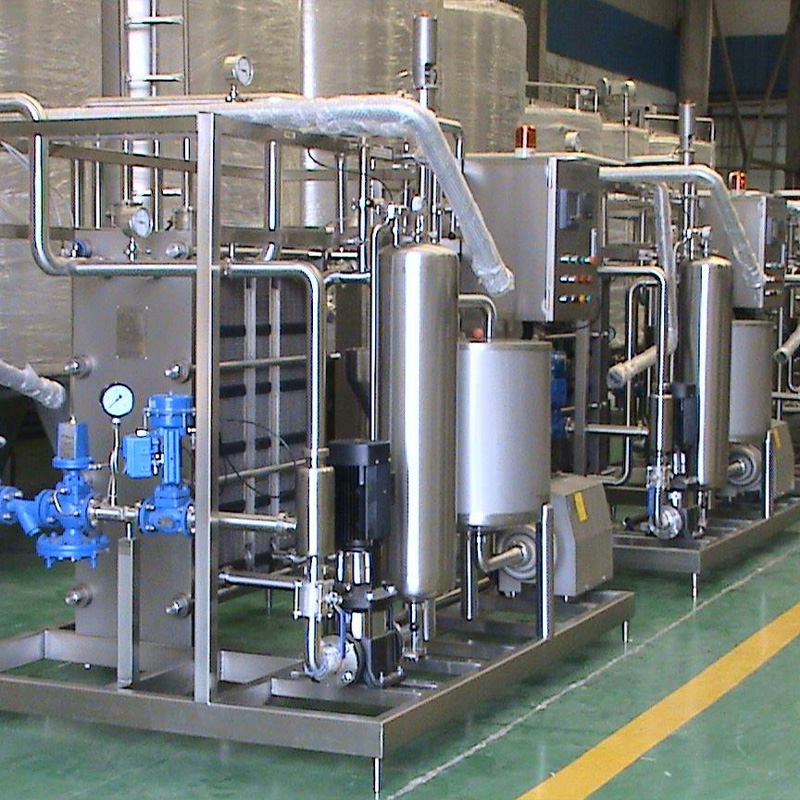
Complete Guide to Milk Flow Pasteurizer Systems for Modern Dairy Processing Plants
The global dairy industry continues to evolve rapidly as consumers demand safer, fresher, and longer-lasting milk products. In modern dairy processing facilities, milk flow pasteurizer systems have become essential equipment for ensuring food safety, improving production efficiency, extending shelf life, and maintaining milk quality.
A high-performance milk flow pasteurizer is designed to continuously heat and cool milk under controlled conditions to eliminate harmful bacteria while preserving the nutritional value, taste, texture, and freshness of dairy products. Whether for fresh milk, flavored milk, yogurt milk, cream, goat milk, or dairy beverages, modern HTST milk pasteurization systems provide efficient and hygienic continuous processing solutions for dairy manufacturers worldwide.
The professional solutions available from EASY Milk Flow Pasteurizer Systems are designed for commercial dairy processing plants requiring stable production performance, automatic temperature control, food-grade hygienic standards, and energy-efficient operation.

What Is a Milk Flow Pasteurizer?
A milk flow pasteurizer is a continuous milk pasteurization system that heats milk to a specific temperature for a precise holding time before rapidly cooling it. The goal is to destroy pathogenic microorganisms and spoilage bacteria while preserving the milk’s nutritional composition and flavor.
Modern milk flow pasteurizers are commonly based on HTST (High Temperature Short Time) technology, which is widely used in dairy processing plants around the world. HTST systems typically heat milk to approximately 72–75°C for around 15–20 seconds before rapid cooling.
Continuous flow pasteurization has become the preferred solution for dairy factories because it supports high production capacity, better heat recovery efficiency, and improved hygienic control compared to traditional batch pasteurization systems.
Why Milk Pasteurization Is Important
Raw milk naturally contains microorganisms that may cause serious food safety risks. Pasteurization helps eliminate dangerous pathogens such as:
- Salmonella
- Listeria
- E. coli
- Campylobacter
- Staphylococcus aureus
Proper milk pasteurization significantly improves food safety while extending refrigerated shelf life and maintaining product quality.
Modern dairy processing industries rely on milk pasteurization systems because they help:
- Improve consumer safety
- Extend milk shelf life
- Maintain milk flavor and nutrition
- Reduce spoilage losses
- Improve transportation stability
- Meet food safety regulations
- Support large-scale dairy production
Working Principle of a Milk Flow Pasteurizer
A milk flow pasteurizer operates through a continuous heating and cooling cycle. The process generally includes the following stages:
1. Raw Milk Feeding
Raw milk enters the balance tank where the system maintains stable flow and pressure conditions.
2. Preheating Section
The milk is preheated using regenerative heat exchange technology. In most systems, hot pasteurized milk transfers heat to incoming cold raw milk, significantly reducing energy consumption.
Modern plate heat exchanger systems can achieve very high heat regeneration efficiency, improving overall operating economy.
3. Heating Section
The milk is heated to the required pasteurization temperature using hot water, steam, or electric heating systems.
4. Holding Tube
The milk passes through a holding tube designed to maintain the required temperature for the correct processing time.
5. Flow Diversion Valve
If the milk temperature fails to reach the required pasteurization level, the system automatically diverts the milk back for reprocessing to ensure food safety.
6. Cooling Section
After pasteurization, the milk is rapidly cooled to storage temperature, usually around 4°C.
7. Storage or Filling
The pasteurized milk is transferred to storage tanks or directly to filling and packaging systems.
Applications of Milk Flow Pasteurizers
Milk flow pasteurizers are widely used for:
- Fresh milk
- Goat milk
- Camel milk
- Flavored milk
- Yogurt milk
- Cream
- Dairy beverages
- Ice cream mix
- Cheese milk preparation
- Plant-based milk beverages
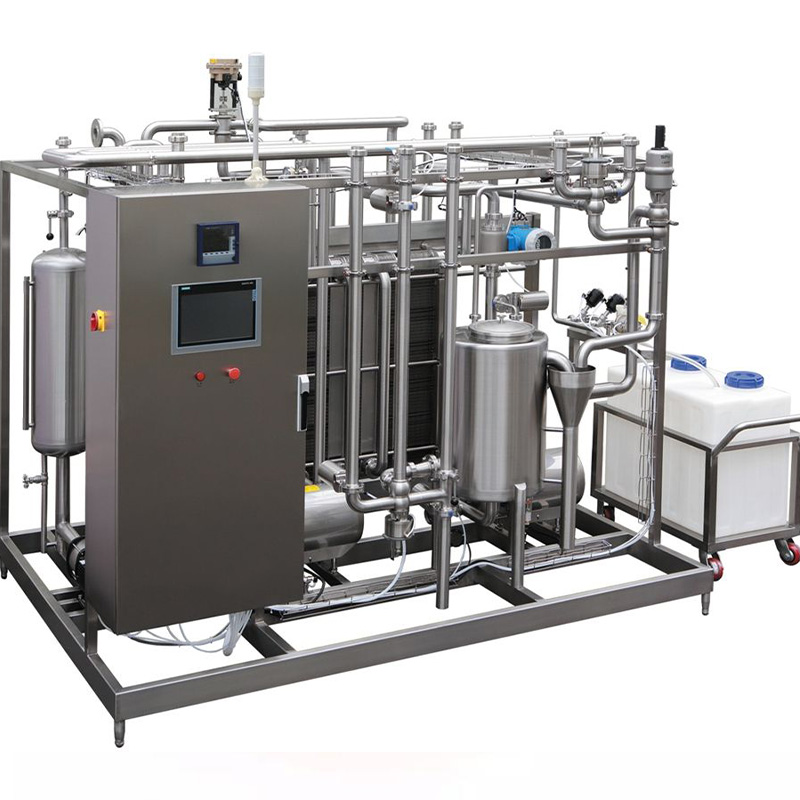
Industries Using Milk Flow Pasteurizers
Milk pasteurization systems are widely applied in:
- Dairy factories
- Milk collection centers
- Yogurt processing plants
- Cheese production facilities
- Ice cream factories
- Beverage manufacturing plants
- Goat milk processing farms
- Dairy cooperatives
- Commercial dairy farms

Modern Features of Advanced Milk Flow Pasteurizers
Modern dairy processing systems may include:
- Siemens PLC control
- Schneider electrical components
- Touchscreen HMI
- Automatic temperature recording
- Automatic flow diversion valve
- Frequency converter speed control
- Multi-stage heat recovery
- CIP automatic cleaning
- Safety alarm systems
- Automatic pressure monitoring
- Stainless steel sanitary pipelines
Why Choose NDPAC Milk Flow Pasteurizers?
EASY provides professional milk pasteurization solutions for modern dairy processing plants.
Advantages include:
- Customized dairy processing solutions
- High-efficiency plate heat exchanger systems
- Food-grade stainless steel construction
- Stable continuous operation
- Energy-saving design
- Professional engineering support
- Turnkey dairy processing solutions
- Automatic PLC control systems
- Flexible production capacity options
NDPAC systems can also integrate with:
- Milk storage tanks
- Homogenizers
- CIP cleaning systems
- Yogurt fermentation tanks
- Milk filling machines
- Bottle packaging lines
- Ice cream production systems
- Cheese processing equipment