



Sieve Bend Screen Filter for Wastewater Pretreatment 10-50 m³/h
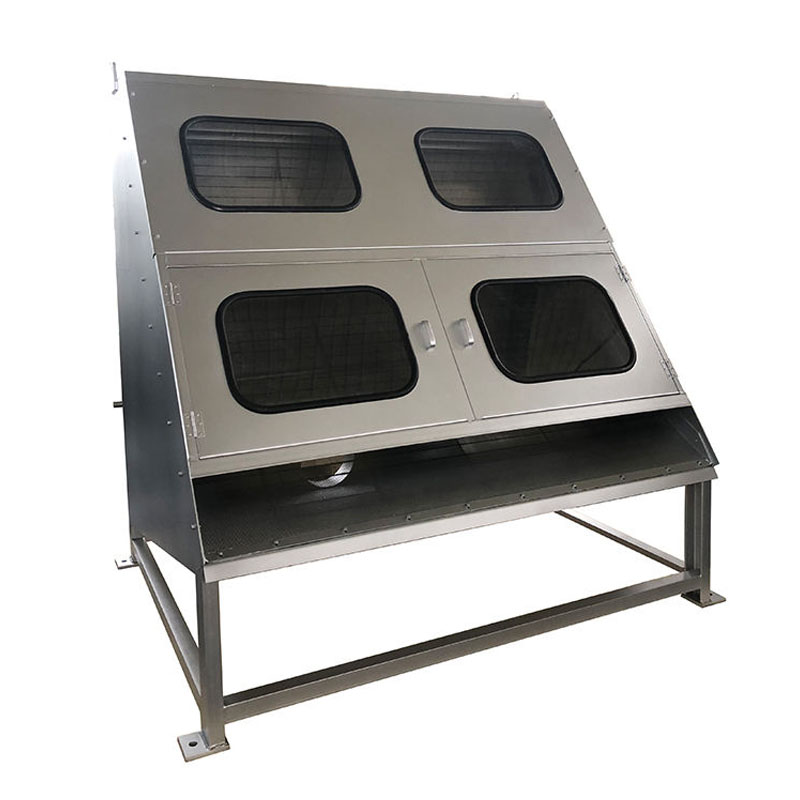
The sieve bend screen filter is a high efficiency non-powered solid liquid separation device used in wastewater treatment and industrial processes. It removes suspended solids, floating matter, and sediment through a curved wedge wire screen surface. With no moving parts, low energy consumption, and strong anti-clogging performance, the static screen filter is widely used for wastewater pretreatment and resource recovery in various industries.
Compare
Product introduction of Sieve Bend Screen Filter
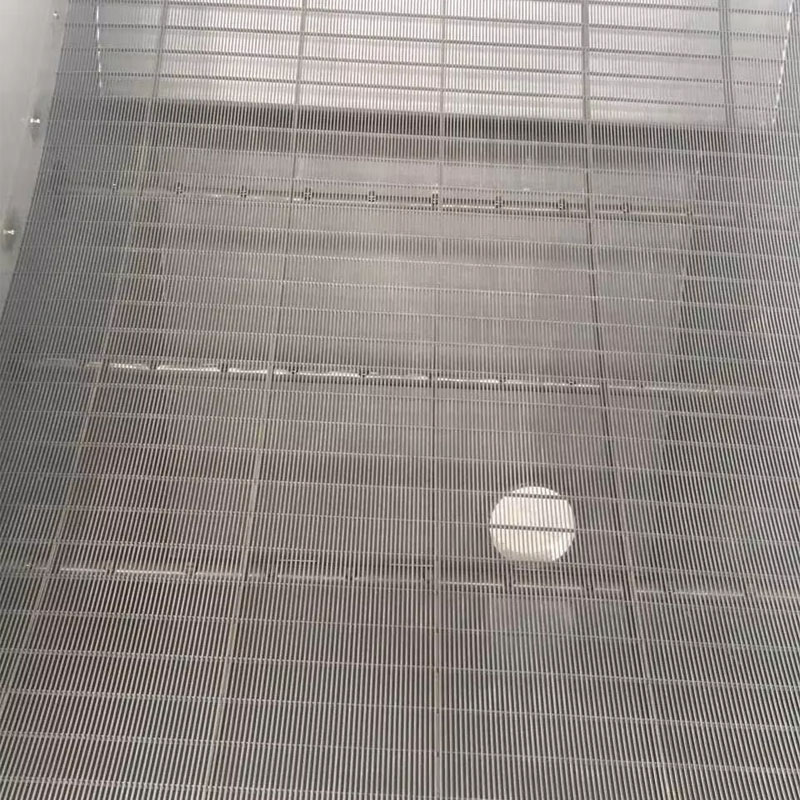
The sieve bend screen filter is a gravity-driven solid liquid separation equipment designed for industrial wastewater and municipal pretreatment systems. It operates without power, using the natural flow of wastewater to pass through a curved stainless steel wedge wire screen.
Wastewater is evenly distributed over the inclined screen surface via an overflow weir. Suspended solids are intercepted on the screen while filtered water passes through the gaps. Solid materials are gradually pushed downward and discharged at the bottom.
Due to its simple structure and high reliability, the static screen filter is widely used for solid-liquid separation, sludge pretreatment, and valuable material recovery in industrial production.
Working principle
The static screen filter works based on gravity flow and physical separation. Wastewater is introduced onto a curved wedge wire screen surface through an overflow distribution system.
As wastewater flows downward:
- Liquid passes through narrow screen gaps
- Suspended solids are intercepted on the surface
- Solid particles gradually slide down due to gravity
- Collected solids are discharged at the bottom outlet
- Filtered water is collected separately for further treatment
This process ensures efficient solid-liquid separation without energy consumption or mechanical movement.
Product Parameter Table
| 0.5 mm Grid Gap Capacity | 10 m³/h |
| 1 mm Grid Gap Capacity | 20 m³/h |
| 1.5 mm Grid Gap Capacity | 30 m³/h |
| 2 mm Grid Gap Capacity | 40 m³/h |
| 2.5 mm Grid Gap Capacity | 50 m³/h |
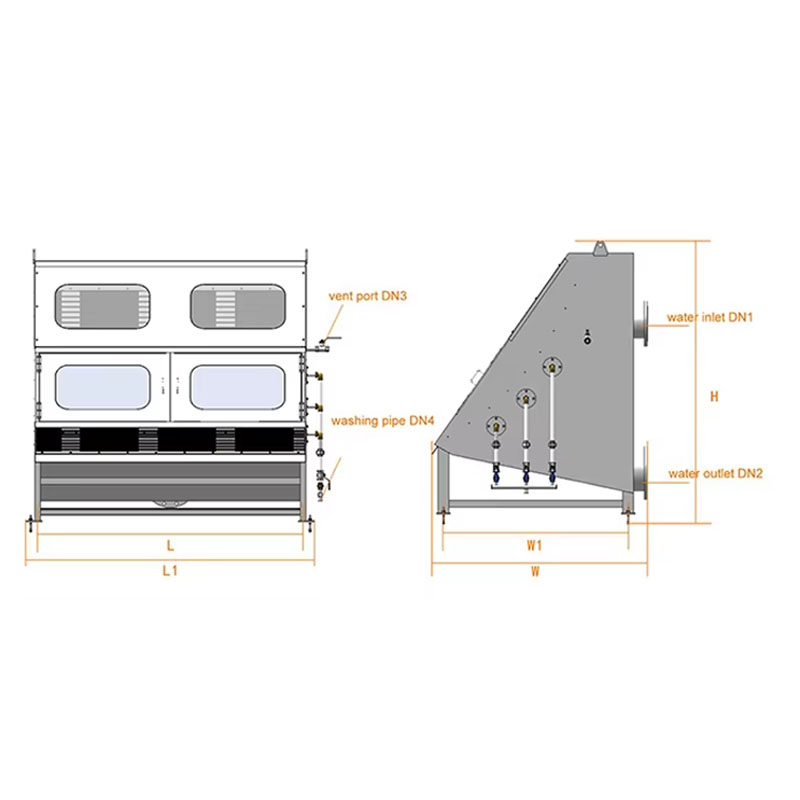
| Dimension L (mm) | 1200 |
| Dimension L1 (mm) | 1250 |
| Dimension W (mm) | 1590 |
| Dimension W1 (mm) | 1360 |
| Dimension H (mm) | 1925 |
| DN1 (mm) | 150 |
| DN2 (mm) | 200 |
| DN3 (mm) | 32 |
| DN4 (mm) | 25 |
Main Features
- No power consumption due to gravity-driven operation
- Simple structure with no moving mechanical parts
- High hydraulic efficiency with wedge wire curved screen
- Anti-clogging design ensures stable long-term operation
- Stainless steel body provides high strength and durability
- Large flow capacity suitable for industrial wastewater
- Easy maintenance with simple cleaning process
- High solid removal efficiency reduces downstream load
- Long service life with corrosion-resistant materials
- Suitable for continuous wastewater pretreatment
Sieve Bend Screen Filter vs Rotary Drum Screen
| Feature | Sieve Bend Screen Filter | Rotary Drum Screen |
|---|---|---|
| Energy use | No power required | Requires motor |
| Structure | Static simple design | Rotating complex system |
| Maintenance | Very low | Medium |
| Efficiency | Medium-high pretreatment | High precision screening |
| Cost | Lower investment | Higher cost |
Conclusion: sieve bend screen is more cost-effective for pretreatment applications.
Sieve Bend Screen Filter vs Static Screen Filter
| Feature | Sieve Bend Screen | Static Screen |
|---|---|---|
| Structure | Curved wedge wire | Flat inclined screen |
| Flow capacity | Higher (10–50 m³/h) | Lower-medium |
| Efficiency | Higher separation rate | Medium efficiency |
| Application | Pretreatment systems | General screening |
Application Scenarios
- Industrial wastewater solid liquid separation system
- Municipal sewage pretreatment screening equipment
- Paper mill wastewater fiber recovery system
- Slaughterhouse wastewater solid removal process
- Food processing wastewater treatment system
- Textile and dyeing wastewater filtration system
- Leather industry wastewater pretreatment equipment
- Petrochemical wastewater solid separation system
- River dredging pretreatment screening system
- Industrial resource recovery filtration process
Why Choose sieve bend screen filter
- Zero energy consumption reduces operating cost
- Simple non-powered design ensures high reliability
- Excellent anti-clogging performance improves stability
- Stainless steel structure ensures long service life
- Suitable for high flow industrial wastewater treatment
- Efficient solid recovery improves resource utilization
- Low maintenance requirements reduce operational workload
- Continuous operation without mechanical failure risk
FAQ
1. What is a sieve bend screen filter used for in wastewater pretreatment?
It is used for removing suspended solids and sediment in industrial and municipal wastewater pretreatment systems.
2. How does a sieve bend screen filter work without power?
It uses gravity flow over a curved wedge wire screen to separate solids from wastewater.
3. What is the capacity of a sieve bend screen filter?
The standard capacity range is 10–50 m³/h depending on wastewater conditions.
4. What industries use sieve bend screen filters?
It is used in food, textile, paper, chemical, and municipal wastewater treatment industries.
5. What is the difference between sieve bend screen and rotary drum screen?
Sieve bend screen is static and energy-free, while rotary drum screen uses mechanical rotation.
6. Why is wedge wire used in sieve bend screen filters?
Wedge wire improves hydraulic efficiency and reduces clogging risk.
7. Can sieve bend screen filter reduce treatment load?
Yes, it significantly reduces suspended solids before biological treatment.
8. Is sieve bend screen filter suitable for small wastewater plants?
Yes, it is ideal for small and medium pretreatment systems.
Contact us to get your quotation now.
Get in touch with our engineering team.
Related products
-
Industrial Centrifuge
8-12 m³/h Decanter Centrifuge for Sludge Dewatering System
The 8–12 m³/h decanter centrifuge is a horizontal solid-liquid separation system designed for continuous industrial dewatering and clarification processes. It operates through high-speed rotation and screw conveyor discharge to separate solids, liquids, and oil phases efficiently. The equipment is widely used in food waste treatment, petrochemical processing, and wastewater management. It ensures stable operation under high load conditions, handling complex suspensions with consistent separation performance and reliable automated control.
SKU: n/a -
Industrial Centrifuge
1800 RPM Airtight Inverting Centrifuge Chemical Solvent Use
The Airtight Inverting Centrifuge is a fully enclosed high-speed solid-liquid separation system designed for chemical, pharmaceutical, and fine processing industries. It operates through centrifugal force to efficiently separate suspended solids from liquids while maintaining a sealed environment to prevent contamination. With inverter-controlled speed regulation and automatic discharge inversion, it ensures stable batch processing of difficult-to-dewater materials, supporting clean and efficient production lines requiring high purity, safety, and consistent separation performance in industrial applications.
SKU: n/a -
Industrial Centrifuge
4000 RPM Centrifuge Machine for Ethanol Solid Liquid Separation
The centrifuge machine is designed for solid liquid separation and liquid purification in industrial processing environments. It uses centrifugal force to separate fine particles from liquids with stable operation and smooth performance. The flat plate structure and vibration damping system improve stability during high-speed rotation. Suitable for continuous processing of high-density and difficult-to-filter materials, it supports applications in chemical, pharmaceutical and ethanol-related production lines requiring reliable and consistent separation results.
SKU: n/a -
Industrial Centrifuge
3986 rpm Decanter Centrifuge For Drilling Mud Separation
The 3986 rpm decanter centrifuge is designed for continuous solid liquid separation in industrial processing systems. It is widely applied in edible oil, oil sludge treatment, drilling mud control, and chemical separation processes. The equipment uses high-speed centrifugal force to separate solid particles from liquid phases efficiently. With horizontal bowl structure and screw conveyor discharge, it enables stable operation, consistent separation performance, and suitability for complex slurry and multi-phase materials.
SKU: n/a


