
Industrial Food Drying Machine for Tofu Dehydration System
Industrial Food Drying Machine is a high-efficiency heat pump drying system designed for commercial food processing. It provides gentle low-temperature dehydration for tofu, vegetables, fruits, herbs, and other products while preserving nutrients, color, texture, and flavor. Equipped with intelligent temperature control, uniform airflow circulation, and energy-saving technology, this industrial food dryer delivers stable drying performance, reduced energy consumption, and reliable operation for modern food production facilities.
Compare
Food Drying Machine Product Introduction
The Food Drying Machine is an advanced food dehydration system designed for commercial and industrial food processing applications. It combines high-efficiency heat pump technology, intelligent temperature control, and optimized airflow circulation to achieve stable and uniform drying performance.
Unlike traditional high-temperature drying methods, this heat pump drying machine operates under low-temperature conditions, effectively reducing moisture while maintaining the nutritional value, texture, color, and natural flavor of food products. It is especially suitable for tofu drying, vegetable dehydration, fruit processing, herbs, mushrooms, and other moisture-sensitive products.
The system adopts a closed-loop heat recovery design that significantly reduces energy consumption and improves drying efficiency. The stainless steel drying chamber and trays ensure hygienic operation, corrosion resistance, and easy cleaning, meeting the requirements of modern food processing facilities.
With adjustable drying temperature, humidity control, and automated operation, this industrial dehydrator can handle different materials and production capacities, making it an ideal solution for food manufacturers seeking reliable, energy-saving, and high-quality dehydration equipment.
Working principle
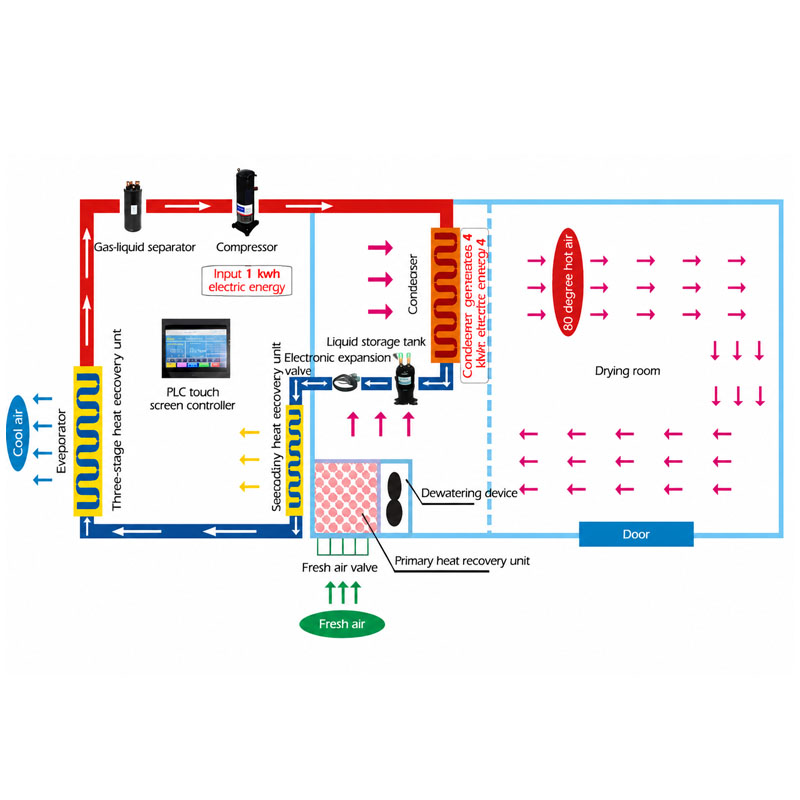
The Food Drying Machine works based on advanced heat pump drying technology, using a closed-loop circulation system to efficiently remove moisture from food materials while maintaining product quality.
The heat pump system absorbs energy from the surrounding air and converts it into stable heat energy. The generated hot air is circulated through the drying chamber by powerful fans, ensuring uniform airflow across all trays. As the hot air passes through tofu, vegetables, fruits, and other materials, it absorbs moisture from the products and carries the humid air back to the heat recovery system.
During the drying process, the moisture is removed through the dehumidification system, while the recovered heat is reused to improve energy efficiency. The continuous circulation of warm and dry air creates a stable drying environment with accurate temperature and humidity control.
The intelligent control system allows operators to adjust drying temperature, humidity, and processing time according to different materials. Through gentle low-temperature drying, the machine effectively reduces moisture content while preserving nutrients, color, flavor, and texture.
Drying Process Steps
1. Air Heating
The heat pump unit absorbs heat from the environment and transfers it into the drying chamber, generating stable and energy-efficient hot air.
2. Hot Air Circulation
High-efficiency fans distribute hot air evenly throughout the chamber, ensuring every tray receives consistent drying conditions.
3. Moisture Evaporation
The warm air removes moisture from tofu, vegetables, fruits, and other materials without causing overheating or quality degradation.
4. Humidity Removal
The humid air enters the heat recovery system, where moisture is separated and discharged while heat energy is recycled.
5. Continuous Drying Cycle
The system repeats the heating, circulation, and dehumidification process until the required moisture level is achieved.
This working principle enables the equipment to provide energy-saving, uniform, and high-quality dehydration performance for industrial food processing applications.
Product Parameter Table
| Parameter | Specification |
|---|---|
| Equipment Type | Industrial Food Drying Machine |
| Heating Capacity | 42 kW |
| Cooling Capacity | 32 kW |
| Dehumidification Capacity | 50 L/h |
| Power Input | 19.4 kW |
| Power Supply | 380V / 3PH / 50Hz or 60Hz |
| Rated Current | 30 A |
| Maximum Drying Temperature | ≤75℃ |
| Working Temperature Range | 0–43℃ |
| Power Consumption | 15.0 kWh/h |
| Air Circulation Type | Horizontal Blowing Type |
| Electric Heater Power | 12 kW |
| Machine Dimension | 2089 × 1260 × 1580 mm |
| Net Weight | 480 kg |
| Noise Level | ≤75 dB(A) |
Main Features
1. High-Efficiency Heat Pump Drying Technology
The industrial heat pump drying system uses advanced heat recovery technology to maximize energy utilization and reduce operating costs compared with conventional electric or hot air dryers.
- Low-temperature drying prevents overheating and product quality loss.
- Closed-loop circulation improves thermal efficiency.
- Lower energy consumption supports sustainable food production.
- Stable drying conditions ensure consistent product quality.
2. Precise Temperature and Humidity Control
The intelligent control system allows operators to set and monitor drying parameters according to different products.
- Accurate temperature adjustment for various materials.
- Stable humidity control improves drying uniformity.
- Programmable drying cycles simplify operation.
- Suitable for delicate products requiring gentle dehydration.
3. Uniform Airflow Circulation System
The optimized airflow structure ensures hot air reaches every tray evenly, preventing uneven drying.
- Multi-directional airflow circulation.
- Reduced drying differences between trays.
- Improved moisture removal efficiency.
- Maintains consistent product appearance and texture.
4. Food-Grade Stainless Steel Construction
The drying chamber, trolley, and trays are manufactured from durable stainless steel materials for safe food processing.
- Hygienic and corrosion-resistant structure.
- Easy cleaning and maintenance.
- Suitable for long-term industrial operation.
- Meets food processing hygiene requirements.
5. Energy-Saving and Environment-Friendly Operation
Compared with traditional drying equipment, the heat pump system provides higher energy efficiency with lower heat loss.
- Reduced electricity consumption.
- No direct combustion or smoke emission.
- Lower production costs.
- Environment-friendly drying process.
6. Flexible Production Capacity
The equipment can be customized according to different production requirements.
- Suitable for small workshops and large factories.
- Adjustable drying chamber sizes.
- Supports continuous industrial production.
- Compatible with different food processing lines.
Application Scenarios
1. Tofu Drying Processing
The machine provides gentle low-temperature drying for tofu blocks, tofu slices, and dried tofu products, helping maintain protein structure, texture, and shelf life.
2. Vegetable Dehydration
Suitable for drying carrots, spinach, cabbage, garlic, onion, mushrooms, chili, and other vegetables while preserving color and nutrients.
3. Fruit Drying Production
Used for mango slices, apple slices, banana chips, pineapple, berries, and other fruit products to produce high-quality dried snacks.
4. Herb and Spice Drying
Ideal for herbs, medicinal plants, tea leaves, and spices requiring precise temperature control to retain aroma and active ingredients.
5. Mushroom Processing
Provides gentle moisture removal for mushrooms while maintaining shape, flavor, and nutritional value.
6. Food Supplement Production
Suitable for drying vegetable powders, nutritional ingredients, and functional food materials used in health food production.
Advantages Compared with Traditional Dryers
| Traditional Dryer | Heat Pump Drying Machine |
|---|---|
| High temperature drying | Low temperature gentle drying |
| Higher energy consumption | Energy-saving operation |
| Possible nutrient loss | Better nutrient retention |
| Uneven drying results | Uniform airflow drying |
| More heat loss | Closed-loop heat recovery |
FAQ
1. What products can be dried by this machine?
This industrial drying machine can process tofu, vegetables, fruits, herbs, mushrooms, spices, nuts, and other food materials requiring controlled dehydration.
2. What is the drying temperature range?
The drying temperature can be adjusted according to different products. Low-temperature drying is available for heat-sensitive materials to protect nutrients and product quality.
3. How does the heat pump dryer save energy?
The system recovers and reuses heat energy through a closed-loop circulation process, reducing heat loss and lowering electricity consumption compared with traditional dryers.
4. Can it dry tofu without damaging texture?
Yes. The machine uses gentle temperature control and uniform airflow to remove moisture slowly, helping maintain tofu structure, texture, and nutritional value.
5. Is the drying temperature adjustable?
Yes. Operators can adjust temperature, drying time, and airflow settings according to different materials and moisture requirements.
6. What material is used for the drying chamber?
The drying chamber and trays are made of food-grade stainless steel, providing excellent corrosion resistance, hygiene, and durability.
7. Can the equipment be customized?
Yes. The drying chamber size, tray quantity, capacity, and configuration can be customized according to production requirements.
8. How easy is the machine to operate?
The machine uses an intelligent control system with automatic operation functions, allowing operators to easily set drying parameters and monitor the process.
Contact us to get your quotation now.
Get in touch with our engineering team.
Related products
-
Central Kitchen Food Processing Machines
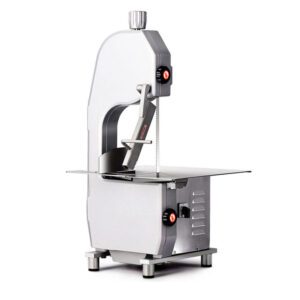
Central Kitchen Food Processing Frozen Meat Slicer
This Central Kitchen Food Processing Frozen Meat Slicer is specifically engineered for high-efficiency, large-volume meat pre-processing. As a core component of central kitchen food processing machines, it can quickly and precisely slice frozen meat rolls or blocks at sub-zero temperatures, eliminating the need for pre-thawing and significantly boosting preparation speed and food safety. The slicer features adjustable slicing thickness and a powerful drive system, ensuring every slice is of uniform thickness and has clean edges. Its full stainless steel construction and easy-to-disassemble design make daily cleaning and maintenance simple and efficient, making it the ideal choice for chain restaurants, canteens, and meat processing plants.
SKU: n/a -
Central Kitchen Food Processing Machines
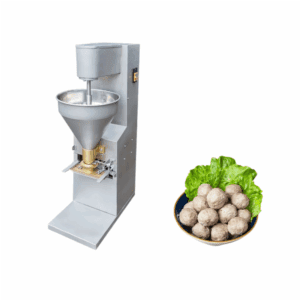
200-300kg/H Commercial Fully Automatic Meatball Machine
The commercial fully automatic meatball machine’s core system integrates the entire process functions of automatic feeding, mixing and pulping, and forming and discharging. It ensures thorough emulsification of the filling and adjustment for a firm and chewy texture. The meatballs are uniform and round, making it widely suitable for hot pot restaurants, meatball processing factories, frozen food factories, canteens, and central kitchens. It is a key piece of equipment for improving meatball production efficiency and standardized quality.
SKU: n/a -
Central Kitchen Food Processing Machines
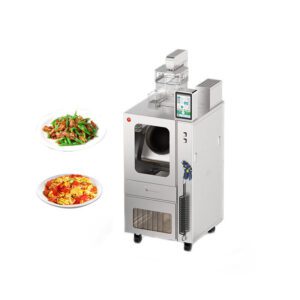
500L Capacity New Design Central Kitchen Automatic Wok: Ideal for Hotels, Restaurants – Electric Rotating Stir Cooker for Efficient Food Processing
 Central Kitchen Food Processing Machines
500L Capacity New Design Central Kitchen Automatic Wok: Ideal for Hotels, Restaurants – Electric Rotating Stir Cooker for Efficient Food Processing
Automatic Cooking Machine highlight:
- High-Efficiency Cooking Power:Boasting an 8kw power output, the Intelligence Automatic Cooking Machine rapidly stir-fries large batches of food, slashing cooking times significantly. This makes it perfect for high-volume kitchens, ensuring swift service during rush hours and enabling businesses to meet peak demand without compromising on speed.
- User-Friendly Operation:Designed with simplicity in mind, the machine requires minimal training for kitchen staff to operate effectively. Its intuitive controls mean even those new to professional cooking equipment can quickly get up to speed, reducing the learning curve and enhancing overall kitchen efficiency.
- Energy-Saving Design:Equipped with an energy-saving mode, this cooking machine helps businesses cut down on electricity bills. It optimizes power consumption without sacrificing cooking performance, making it an eco-friendly and cost-effective choice for long-term use in any food-related establishment.
- Hygienic and Durable Build:Crafted from high-grade Stainless Steel (Grade 304), the machine not only offers excellent corrosion resistance but also ensures easy cleaning. This robust material can withstand the demanding environment of industrial and commercial kitchens, while maintaining strict hygiene standards even with frequent use.
- Consistent Cooking Quality:The automatic stir-frying function guarantees uniform cooking results every time, ensuring that each dish meets the highest quality and taste standards. This consistency is crucial for food processing factories and fast-food chains aiming to maintain brand integrity across all their products.
- Space-Saving and Stable:With compact dimensions of 700 X 730 X 1800mm, the machine fits well in various kitchen layouts, including those with limited space. Despite its relatively small footprint, its 220kg weight provides sturdy stability during operation, preventing any unwanted movement or vibrations.
SKU: n/a -
Central Kitchen Food Processing Machines
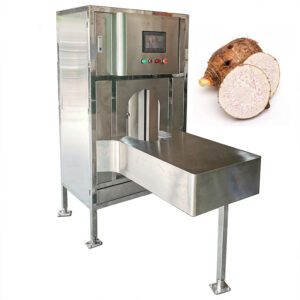
500pcs/h Industrial Intelligent Taro Peeling Machine Central Kitchen Automated Processing Equipment
Central Kitchen Food Processing Machines500pcs/h Industrial Intelligent Taro Peeling Machine Central Kitchen Automated Processing Equipment
Taro Peeling Machine Selling Points
- Exceptional Processing Efficiency
With a capacity of 500pcs per hour, it swiftly peels taro in bulk, dramatically boosting ingredient pre – processing speed. Ideal for large – scale operations in central kitchens and food processing factories.- Flexible & Precise Processing
Adjustable peeling thickness from 1.5 to 10mm caters to diverse needs, whether for making taro puree or diced cooking. Its precision minimizes material waste and maximizes yield.- Intelligent & Stable Operation
Powered by core components—PLC and motors—ensures continuous, trouble – free operation. The intelligent control system reduces human errors, guaranteeing consistent performance.- User – Friendly & Easy to Operate
Designed for simplicity, requiring no specialized skills. It cuts down on labor training costs, making it a perfect fit for small and medium – sized catering businesses and settings with limited expertise.- Space – Saving Design
Weighing 300KG with dimensions of 1450*900*1700mm, its compact structure adapts seamlessly to various kitchen and workshop layouts, saving valuable space.- Versatile Application
Not limited to taro, it also processes kohlrabi and other root vegetables. Suitable for diverse scenarios, from fruit & vegetable cooperatives to food processing plants.- Reliable After – Sales Support
Backed by a 1 – year warranty and video outgoing – inspection, ensuring peace of mind and quality assurance throughout usage.SKU: n/a