
2000L/H Chemical Dosing System PLC 3 Chamber Water Treatment
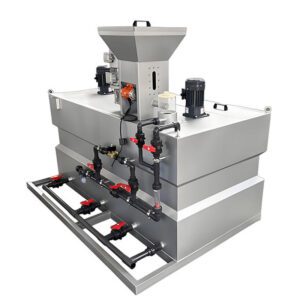
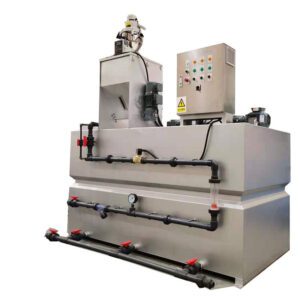
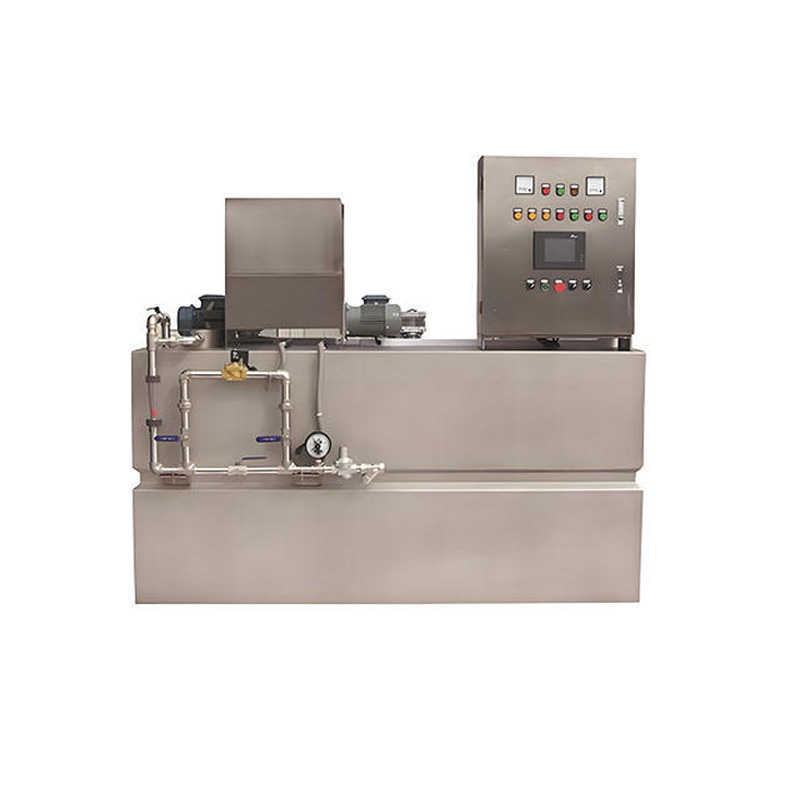
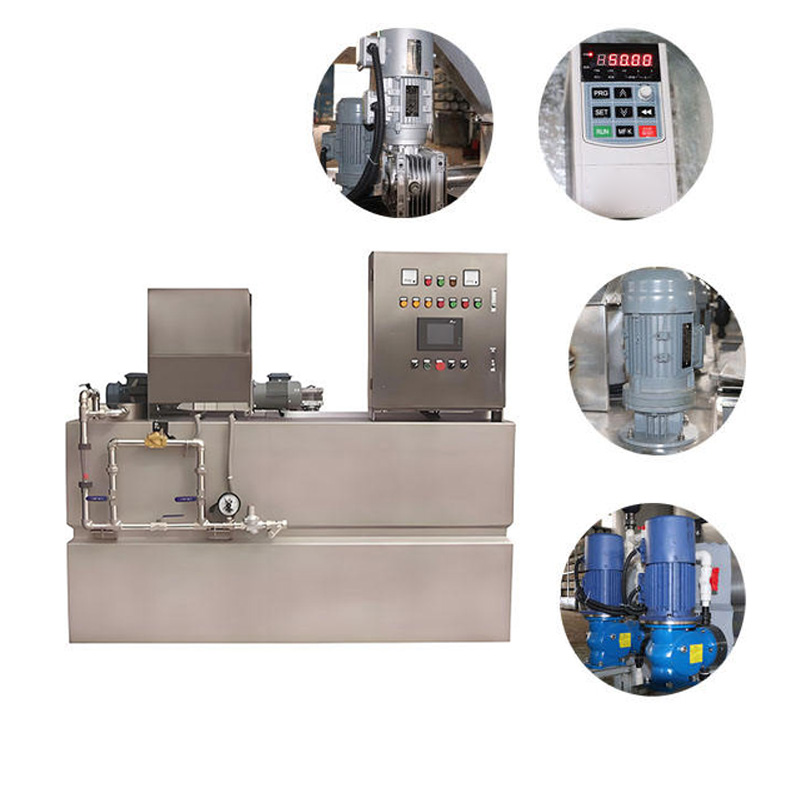
This 2000L/H chemical dosing system is designed for water and wastewater treatment, featuring a three-chamber structure for continuous preparation and dosing of PAC and PAM chemicals. Equipped with PLC control, it ensures precise dosing, stable operation, and efficient mixing. It improves flocculation performance while reducing manual operation in industrial and municipal water treatment processes.
Compare
Product Introduction for Chemical Dosing System
The 2000L/H chemical dosing system is an automated three-chamber unit designed for precise preparation and dosing of treatment chemicals in water processing applications. Built with durable materials and equipped with a PLC control system, it ensures stable and reliable operation.
This system enables continuous preparation of polymer solutions such as PAM and PAC, improving flocculation and sedimentation efficiency. Its integrated design supports accurate dosing and consistent solution quality across different processes.
It is widely used in municipal water treatment plants, industrial wastewater systems, and environmental engineering projects that require stable and automated chemical dosing.

Technical Specifications:
| Item | Parameter |
| Dissolving Capacity | 2000 L/H |
| Dimensions (L×W×H) | 2340×1300×1800 mm |
| Stirring Motor | 2.62 KW |
| Weight | 1000 kg |
| Processing Technology | Dosing system |
| Productivity | 2000 liters/hour |
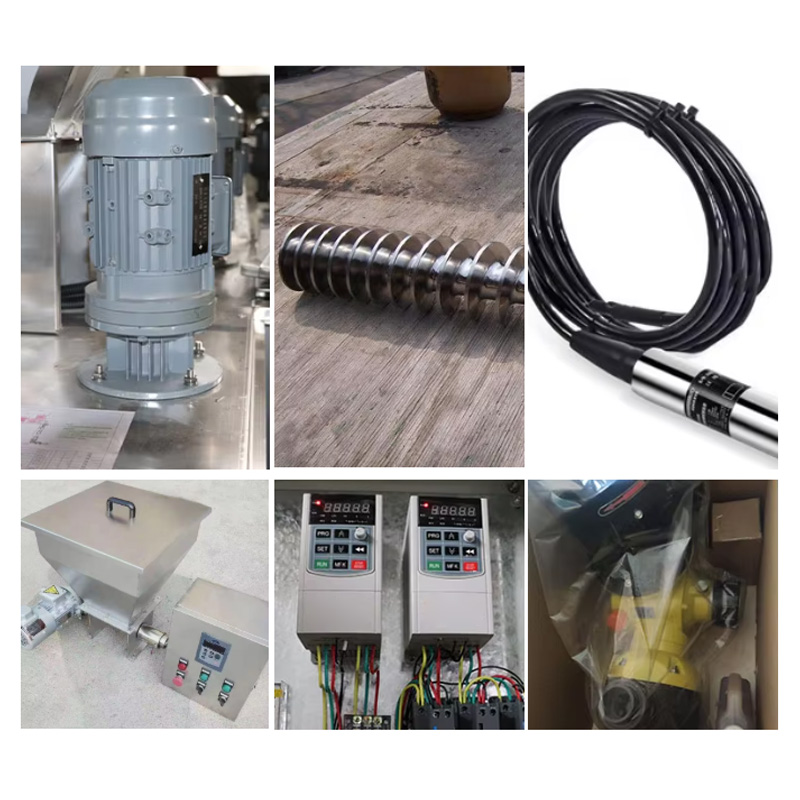
| Core Components | Pump, bearing, engine, motor |
| Voltage | 220V, 380V, 110V |
Main features:
-
PLC intelligent control system allows automatic adjustment of dosing based on real-time operating conditions
-
High-precision dosing mechanism ensures accurate chemical injection, improving treatment efficiency and reducing waste
-
Integrated system combines mixing, dissolving, and dosing functions to simplify operation and reduce labor requirements
-
Durable structure with corrosion-resistant materials ensures long service life in water treatment environments
-
Stable and uniform mixing system enhances flocculation performance without damaging chemical properties


Working principle:
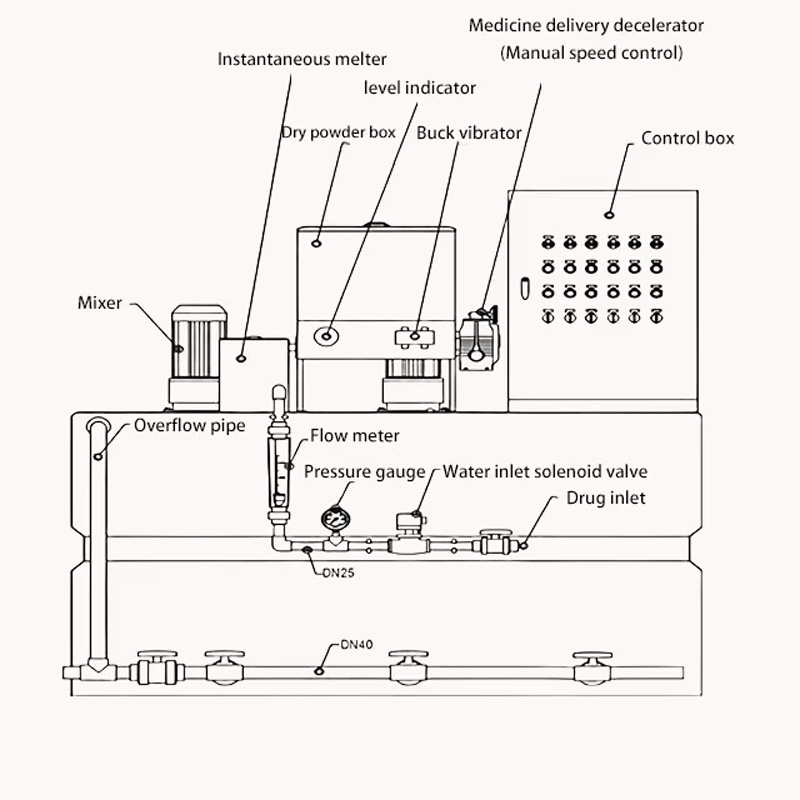
Dry or liquid chemicals are fed into the first chamber for pre-mixing with water, preventing clumping and ensuring proper dissolution. The solution then flows through subsequent chambers for further mixing, maturation, and homogenization.
A PLC-controlled dosing system regulates the concentration and flow rate, ensuring accurate injection into the water treatment process. This continuous process enhances flocculation efficiency and maintains stable system performance.
Application scenarios:
-
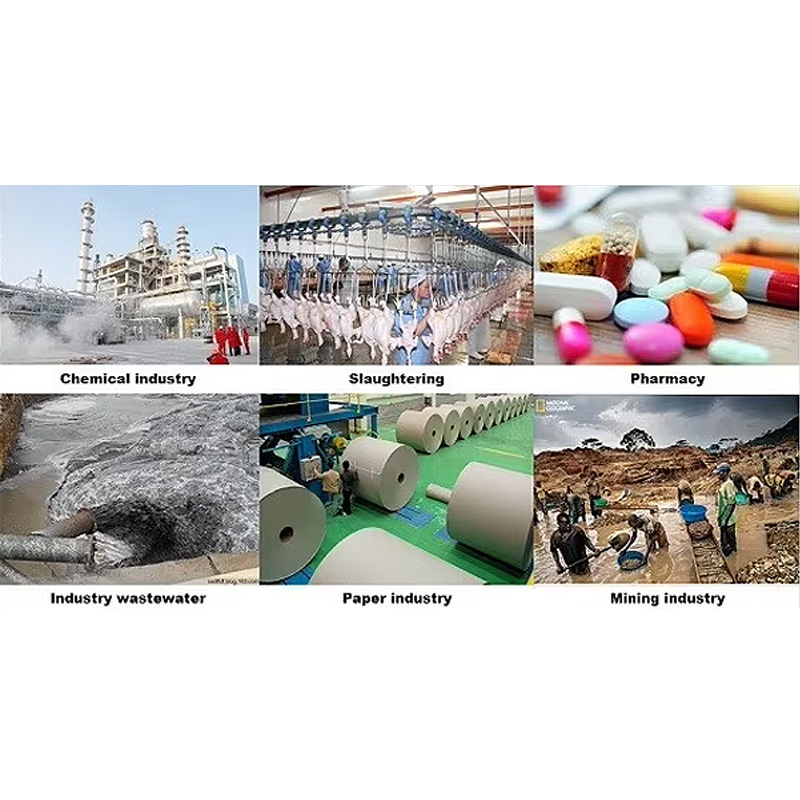
Municipal wastewater treatment plants for PAC and PAM dosing and flocculation processes
-
Industrial wastewater treatment in chemical, textile, and paper industries
-
Drinking water treatment plants for turbidity removal and clarification
-
Mining and metallurgical industries for slurry conditioning and solid-liquid separation
-
Petrochemical industry for process water treatment and pollution control
FAQ
Q1: What if the chemicals clump after dissolving, affecting the dosage?
A1: This is caused by insufficient stirring, too rapid chemical dosing, or too low water temperature. Check if the stirring device is operating normally and increase the stirring frequency appropriately; add the chemicals slowly and evenly to avoid clumping; control the dissolving water temperature between 25-35℃ and prepare with clean water. If the chemical particles are large, please extend the dissolving time.
Q2: Why does the dosage fluctuate and cannot be controlled?
A2: This is likely due to a flow meter malfunction, unstable operation of the dosing pump, or pipe blockage. First, calibrate the flow meter to ensure accuracy and clean the filter screen of the dosing pump and any blockages in the pipes; then check the electrical system and mechanical components of the dosing pump, and repair any abnormalities; at the same time, verify the chemical concentration. If the concentration is too high, dilute appropriately to avoid viscosity affecting the uniformity of the dispensing.
Q3: How to troubleshoot and resolve the problem when the metering pump cannot start? A3: First, check if the power supply and electrical connections are normal, and rule out power outages or loose wiring; then clean the pump filter and pipelines to avoid blockages that may hinder startup; finally, check the internal mechanical parts of the pump, such as the diaphragm and seals, for wear and leaks, and replace any severely damaged parts promptly.
Contact us to get your quotation now.
Get in touch with our engineering team.
Download full specification PDF.
Related products
-
Water Treatment Chemicals & Dosing Systems
500 L/H Stainless Steel Dosing System For Industrial Wastewater
 Water Treatment Chemicals & Dosing Systems
500 L/H Stainless Steel Dosing System For Industrial Wastewater
The 500 L/H Stainless Steel Dosing System for Industrial Wastewater is a professional chemical dosing solution designed for precise reagent injection in water and wastewater treatment processes. Compact design, reliable metering performance, and easy operation make it an ideal choice for industrial and municipal water treatment facilities.
SKU: n/a -
Water Treatment Chemicals & Dosing Systems
Automatic Flocculant Dosing System For Wastewater Treatment
Water Treatment Chemicals & Dosing SystemsAutomatic Flocculant Dosing System For Wastewater Treatment
The automatic flocculant dosing system for wastewater treatment can accurately control the dosage of flocculants. The system monitors water quality through sensors and automatically adjusts the dosing ratio. It can reduce manual operation and improve wastewater treatment efficiency. The flocculant is evenly added to ensure rapid sedimentation of pollutants. This technology is suitable for industrial wastewater and achieves automated management. Stable operation and reduced processing costs are innovative solutions in the field of environmental protection.
SKU: n/a -
Water Treatment Chemicals & Dosing Systems
6000L/h Polymer Dosing Unit for Wastewater Treatment Use
This 6000L/h automatic stainless steel polymer dosing unit efficiently mixes and dissolves polymers for wastewater treatment. Designed for continuous and precise dosing, it ensures uniform reactive polymer solutions. Equipped with hopper, mixer, tank, level controller, and water inlet system, it provides reliable and stable operation. Ideal for municipal, industrial, and food processing wastewater applications, this system reduces maintenance needs while optimizing chemical preparation efficiency.
SKU: n/a -
Water Treatment Chemicals & Dosing Systems
1000L/h Chemical Dosing System for Wastewater pH Adjustment
Water Treatment Chemicals & Dosing Systems1000L/h Chemical Dosing System for Wastewater pH Adjustment
This 1000 L/h chemical dosing system provides automatic dosing, dissolving, and feeding for wastewater treatment and pH adjustment processes. Equipped with precise polymer transport, adjustable concentration control, and multi-agent metering pumps, it ensures consistent chemical preparation and stable dosing. Suitable for sewage treatment, industrial wastewater, and flocculant preparation, the system delivers reliable performance with fully automated operation and integrated monitoring functions.
SKU: n/a