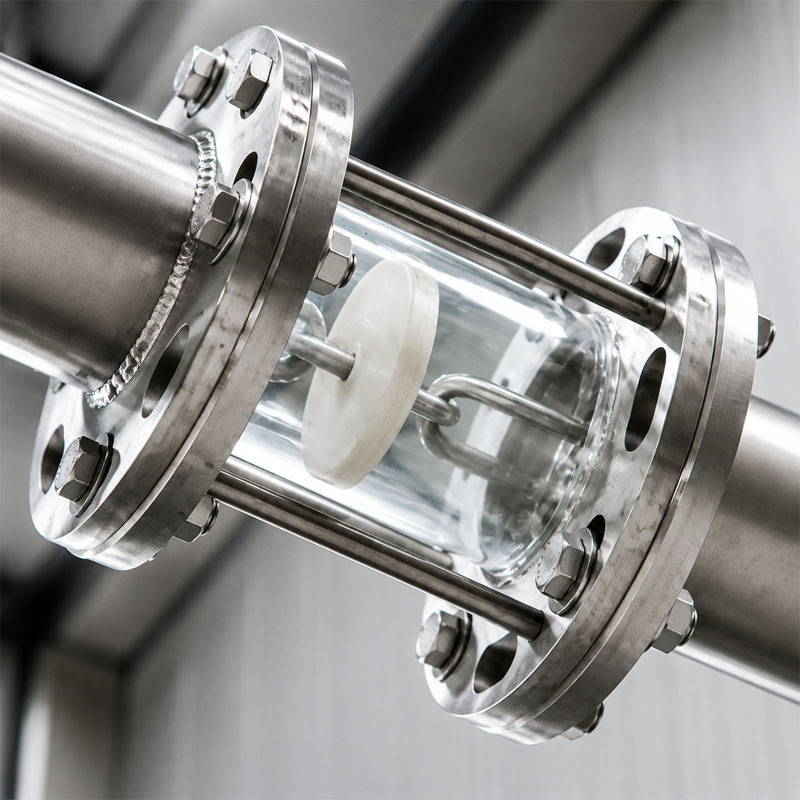
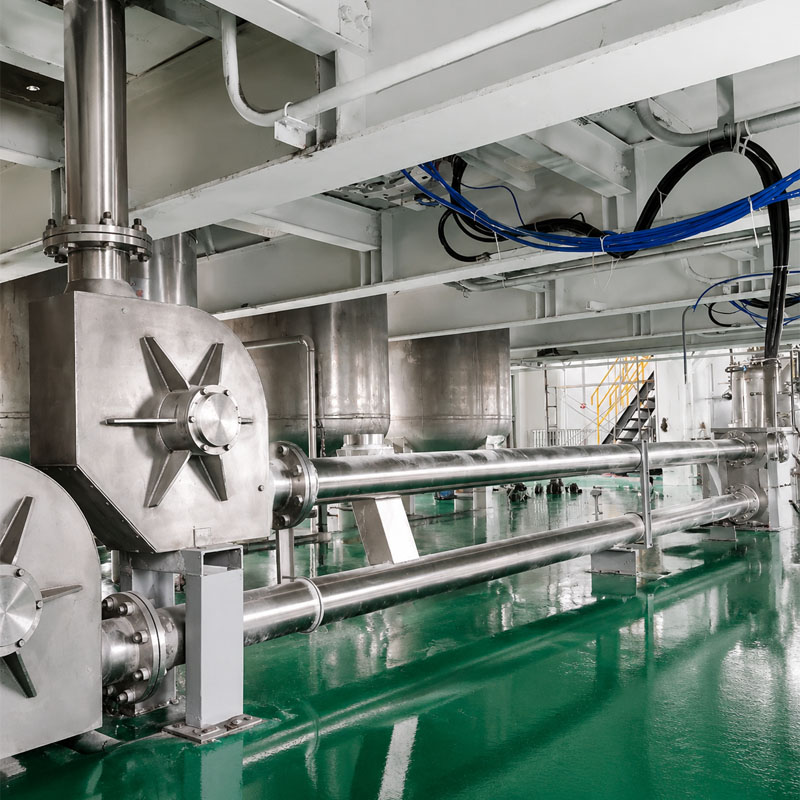
Tubular Chain Conveyor is an enclosed continuous conveying system designed for gentle and efficient transfer of powders, granules, pellets, and bulk materials. Its flexible chain and disc structure enables horizontal, vertical, and multi-directional conveying while reducing dust, material damage, and contamination. With compact design, low energy consumption, and reliable performance, it is widely used in food, pharmaceutical, chemical, agricultural, and industrial material handling applications.
Tubular Chain Conveyor is a flexible enclosed conveying solution designed for the continuous transportation of powder, granular, and bulk solid materials. The system uses a chain-driven disc conveying mechanism inside a sealed pipeline, allowing materials to move smoothly through horizontal, vertical, and complex three-dimensional routes.
Unlike traditional conveying equipment, the tubular chain conveyor provides gentle material handling with minimal product degradation. The low-speed conveying process reduces impact and friction, making it suitable for fragile materials such as food ingredients, grains, coffee beans, powders, and other sensitive products.
The fully enclosed pipeline structure prevents dust leakage, protects materials from external contamination, and helps maintain a cleaner production environment. The flexible design allows the conveyor to pass around existing equipment and fit into limited installation spaces, making it ideal for modern automated production lines.
The conveyor can handle a wide range of materials, including flour, sugar, starch, coffee powder, cereals, pellets, chemical powders, fertilizers, minerals, plastics, and pharmaceutical ingredients. Depending on material characteristics and application requirements, different chain, disc, and pipe configurations can be selected to achieve efficient and reliable conveying performance.
Working principle
The Tubular Chain Conveyor operates through a continuous chain-and-disc conveying mechanism installed inside a sealed tube.
When the drive system starts, the chain moves continuously through the pipeline. Discs mounted at regular intervals on the chain push the material forward while maintaining a controlled conveying speed.
The flexible chain structure works like multiple universal joints, allowing the conveyor to change direction and move materials through horizontal, vertical, and curved sections without additional transfer equipment.
After reaching the required discharge point, materials are released through the outlet and transferred to the next processing stage.
This continuous enclosed conveying process helps reduce dust generation, prevent material loss, and maintain stable product quality during transportation.
Structure Components
A complete tubular chain conveyor system mainly includes:
Driving unit
Tensioning mechanism
Conveying chain
Conveying disc
Feeding equipment
Conveying pipe
Turning section
Discharge port
Each component works together to ensure continuous and stable material transportation.
Product Parameter Table
Parameter
Specification
Conveying Capacity
28 m³/h
Chain Speed
0.3 m/s
Sprocket Speed
12 r/min
Motor Power
11 kW
Conveying Structure
Fully enclosed tubular chain system
Suitable Material
Powder, granule and bulk material
Main Features
Fully Enclosed Conveying Structure
The sealed pipeline design prevents material leakage and external contamination while minimizing dust emissions. It is especially suitable for industries requiring clean and hygienic material transportation.
Gentle Material Handling
The chain and disc conveying method moves materials smoothly at low speed, reducing crushing, breakage, and segregation of fragile products.
Flexible Three-Dimensional Conveying
The conveyor can transport materials horizontally, vertically, and around obstacles with multiple bends, making it suitable for complex factory layouts.
Compact Space-Saving Design
The low-profile structure requires less installation space and can be integrated into existing production equipment where traditional conveyors may not be suitable.
Wide Material Compatibility
The system can handle powders, granules, pellets, and bulk materials, including food ingredients, chemical materials, agricultural products, and industrial powders.
Low Energy Consumption
Compared with pneumatic conveying systems, the tubular chain conveyor requires less energy and provides lower operating costs through efficient mechanical transportation.
Reduced Material Damage
The controlled conveying speed and enclosed structure help maintain material integrity, making it suitable for fragile and valuable products.
Dust-Free Operation
The closed conveying path reduces airborne particles and improves workplace cleanliness and safety.
Flexible Chain and Disc Options
Different chain and disc materials can be selected according to material characteristics, temperature requirements, wear resistance, and sanitation standards.
Easy Maintenance
The tensioning mechanism helps maintain proper chain operation, reduce wear, and extend equipment service life.
Application Scenarios
Food Processing Industry
Used for transporting flour, sugar, starch, cereals, grains, coffee beans, coffee powder, spices, and other food ingredients while maintaining product quality.
Pharmaceutical Industry
Suitable for transferring pharmaceutical powders and ingredients requiring clean, enclosed, and contamination-controlled conveying.
Chemical Industry
Applied for handling chemical powders, pigments, fertilizers, additives, industrial salts, and other chemical materials.
Agricultural Industry
Used in grain processing, seed handling, feed production, and agricultural product transportation systems.
Plastic Industry
Suitable for conveying plastic pellets, resin particles, and other polymer materials in automated production lines.
Mineral and Industrial Material Handling
Used for transporting dry bulk materials such as minerals, sand, cement, and other industrial products.
Snack and Beverage Ingredient Production
Ideal for automatic feeding and transfer of dry ingredients used in snack, beverage, and food manufacturing plants.
Material Handling Capability
Tubular Chain Conveyor can transport:
flour
sugar
starch
coffee bean
coffee powder
grain
seed
cereal
pellet
chemical powder
fertilizer
plastic granule
pharmaceutical ingredient
mineral powder
Advantages Compared with Traditional Conveyors
Compared with Pneumatic Conveyor
Lower energy consumption
Reduced operating cost
Less material degradation
No large air supply system required
Suitable for gentle material handling
Compared with Screw Conveyor
More flexible conveying route
Better protection of fragile materials
Suitable for longer and more complex layouts
Lower risk of material blockage
Compared with Belt Conveyor
Fully enclosed structure
Better dust control
Smaller installation footprint
Supports vertical and multi-direction conveying
FAQ
Q1: What materials can a tubular chain conveyor handle?
A tubular chain conveyor can transport a wide range of dry bulk materials, including powders, granules, pellets, seeds, grains, food ingredients, chemical powders, and plastic particles. The suitable configuration depends on material characteristics.
Q2: Is a tubular chain conveyor suitable for food processing?
Yes. With enclosed construction and stainless steel options, it is widely used for food ingredients such as flour, sugar, starch, cereals, and coffee products.
Q3: Can the conveyor transport materials vertically?
Yes. The flexible chain structure allows horizontal, vertical, inclined, and curved conveying routes.
Q4: Does the conveyor reduce dust during operation?
Yes. The enclosed pipeline prevents material exposure and significantly reduces dust leakage compared with open conveying systems.
Q5: Can it handle fragile materials?
Yes. The gentle conveying method minimizes impact and friction, helping reduce product breakage and maintain material quality.
Q6: How is the conveyor different from pneumatic conveying?
The tubular chain conveyor uses mechanical movement instead of airflow, resulting in lower energy consumption, quieter operation, and gentler material handling.
Q7: Can the conveyor be customized according to factory layout?
Yes. The pipeline direction, inlet and outlet positions, conveying distance, and material contact components can be customized according to installation requirements.

 Heavy-Duty Cutting Tool Holder for CNC Milling High Clamping
2 × $98.00
Heavy-Duty Cutting Tool Holder for CNC Milling High Clamping
2 × $98.00 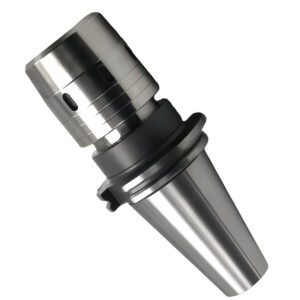 Heavy-Duty Cutting Tool Holder for CNC Milling High Clamping
 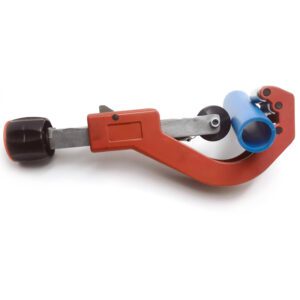 110mm PVC Cutting Tool for 4-Inch Pipe Quick Manual Operation
 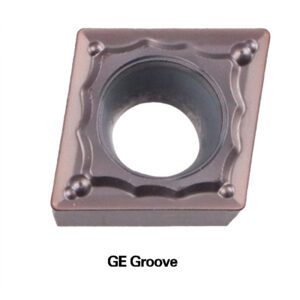 CNC blade diamond CCMT09T304 lathe stainless steel inner hole knife grain boring alloy blade
  CNC Lathe Cutting Tool for Turning Operations High Stability
 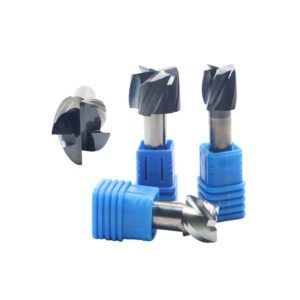 10x75mm 4-Flute Cutting Tool for CNC Milling High Rigidity
  2T/H Beer Pasteurizer Ultra-High Temperature Instant Sterilization System
  2T/H Milk Pasteurization Plant UHT Yogurt Production Line with Cryogenic Bath Pasteurizer
 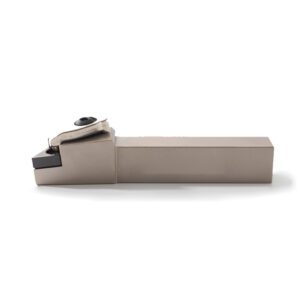 D-Type Carbide Cutting Tool for Aluminum Turning Mirror Finish
 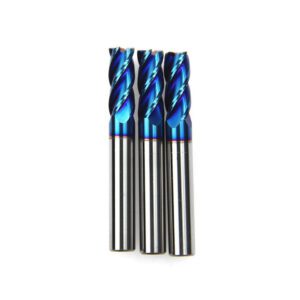 Nano-Coated Cutting Tool for CNC Metal Milling Heat Resistant
 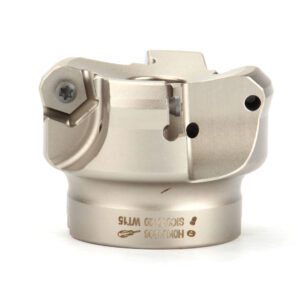 Indexable Face Mill Cutter 2" x 3/4" 45° Coolant Through 4 Flute HOKU08
  3000L/H Beer Flow Pasteurizer Cordon Bleu Beer Plate Type Flow Pasteurizer Flash Pasteurization Equipment for Food Industry Brewery
 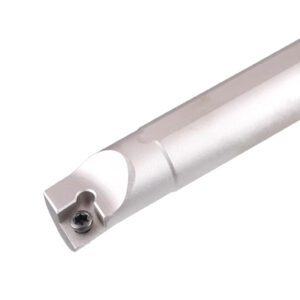 Bore cutter holder S06K-SCLCR06